
How to Choose a Toiletry Bag: 7 Features That Matter
Table of Contents
The right toiletry bag is the one that fits the products you actually pack, keeps them easy to reach, and does not waste space in your luggage. For most travelers, that means choosing a medium-size bag with a practical layout, a wipe-clean lining, and reliable zippers.
Choosing one can be harder than it looks because toiletry routines vary widely. A basic toothbrush-and-deodorant kit needs far less space than makeup, skincare, shaving tools, or shared family items. Bathroom space, trip style, and how you pack also affect which design works best.
This guide covers the seven features that matter most, from usable capacity and compartment layout to leak protection, materials, access, durability, and packed shape. It will also help you match the right type of toiletry bag to your travel needs and avoid common buying mistakes.
Start With What You Actually Pack
Before comparing bags, place your usual travel toiletries on a counter. This helps you avoid buying a bag that is too small, too bulky, or filled with pockets you will never use.
List Your Daily Toiletries
Start with the products you use every day when traveling. This may include a toothbrush, toothpaste, deodorant, face wash, moisturizer, shampoo, conditioner, and a razor. You may also bring makeup, skincare, medication, contact lens supplies, or grooming tools.
A basic routine needs very little room. A routine with several skincare bottles, makeup, or shaving tools needs more space and better organization.
Note Your Largest Containers
Your tallest or widest items often determine which bag will work. A bag may look roomy in photos but still be too short for your shampoo bottle, electric shaver, or full-size moisturizer.
If you usually travel with only a carry-on, switch to smaller containers before measuring. In the U.S., carry-on liquids, gels, creams, aerosols, and pastes generally need to be in containers of 3.4 ounces or less and placed in a quart-size bag.
Count the People Sharing the Bag
One person can often use a compact or medium bag. A shared bag for a couple or family needs more space and clearer sections.
For family travel, consider whether one oversized bag is really the easiest option. Two medium toiletry bags may be easier to carry, organize, and use in a small hotel bathroom.
Seven Features That Matter
1. Size and Usable Capacity
Choose size based on what you pack, not just how many days you will be away. A weekend trip with makeup and skincare may require more room than a two-week trip with a simple routine.
Pay attention to usable interior space, not only exterior measurements. Thick padding, rigid walls, and narrow pockets can make a bag feel smaller than expected. Your bag should hold your main items without putting pressure on the zipper.
For most solo travelers, a medium toiletry travel bag with a few practical sections is a safe choice.
2. Practical Compartment Layout
A few useful compartments are better than a bag filled with tiny pockets. Look for a layout that separates liquids from dry items, keeps small products visible, and lets you reach what you need without unpacking everything.
Elastic loops can keep bottles upright, while mesh pockets make smaller items easier to find. Zippered sections can help prevent loose items from moving around.
More pockets do not always mean better organization. If the pockets are too shallow or narrow, you may end up using only the main compartment.

3. Water and Leak Protection
Bathrooms are wet spaces, and bottles can leak during travel. A water-resistant exterior helps protect the bag from splashes near a sink or shower. A wipe-clean interior lining makes spills easier to handle.
However, water-resistant does not mean leakproof. A water-resistant bag may handle outside moisture but may not fully contain a broken shampoo bottle. If leaks are a concern, place liquid bottles in a separate resealable pouch inside the bag.
It also helps to check caps before packing. Keep bottles upright when possible, and avoid filling refillable containers to the top before flying.
4. Durable, Easy-Clean Materials
Nylon and polyester are popular because they are lightweight, durable, and easy to wipe clean. They work well for travelers who want a soft bag that can fit around clothing in a suitcase or backpack.
A coated lining can make cleanup easier after a toothpaste or lotion spill. A black toiletry bag can also hide small stains better than a light-colored bag, although a lighter lining may make small items easier to see.
Canvas and leather can look nice, but they are often heavier and harder to clean after a leak. For most travelers, flexible fabric with a durable lining offers the best balance.
5. Convenient Opening and Access
Think about how you will use the bag once you arrive. A wide-opening bag is easy to set on a bathroom counter and lets you see most items at once. This works well for hotels, guest rooms, and home use.
A hanging toiletry kit is useful in a small hotel bathroom, dorm, gym, hostel, or cruise cabin. It keeps items off a wet counter and makes them easy to see. Still, not every bathroom has a good place to hang it, so it should also work when placed flat on a counter.
Choose a design that opens wide enough for you to reach everyday products. A deep pouch may be compact, but it becomes frustrating when you need to empty it to find floss or a razor.
6. Strong Zippers, Seams, and Hooks
The parts that often fail first are the zippers, seams, and hanging hook. Look for smooth zippers with sturdy pulls, especially if you tend to pack the bag full. Loose stitching around handles or zipper areas is a warning sign.
For hanging bags, check how the hook attaches to the bag. A reinforced hook is more useful than a thin plastic one that bends under the weight of full bottles. Customer reviews can also reveal whether zippers, hooks, or seams hold up after several trips.
A simple, well-made bag often lasts longer than one with many features but weak hardware.
7. Lightweight, Packable Shape
A toiletry bag should fit into your luggage without wasting space. A lightweight toiletry bag is often the better choice for carry-on travel, backpacks, and weekend trips.
Soft-sided bags can compress when they are not full, while structured cases provide more protection for glass skincare bottles, makeup, or fragile grooming tools. The tradeoff is that structured cases take up the same amount of room even when partly empty.
Check the empty weight before buying, especially if you travel with a small backpack or personal item. Extra padding, mirrors, and heavy hardware can add weight without adding much value.
Match the Bag to Your Needs
Best for Most Travelers: Medium Divided Bag
A medium divided toiletry travel bag is a practical choice for most solo travelers. It has enough room for travel-size toiletries, a few skincare products, and grooming items without taking over your suitcase.
Look for one main compartment, two or three useful pockets, a wipe-clean lining, and a wide opening. This type works well for weekend trips, vacations, and business travel.
Best for Carry-Ons: Compact Flexible Pouch
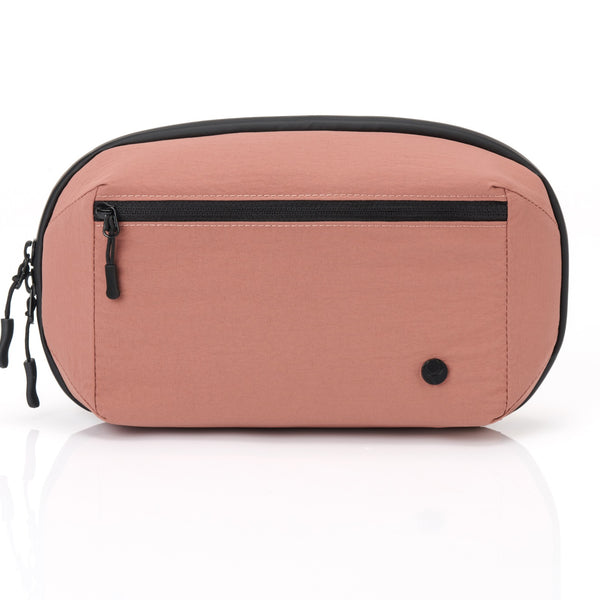
A compact toiletry bag is best for travelers who pack light and want to save space. It works well for a basic routine, solid toiletries, or a small set of travel-size products.
Choose a soft pouch that fits easily inside your personal item or carry-on. If you fly often, keep carry-on liquids in a separate clear quart-size bag so they are easy to remove at security.
For a compact option that keeps small essentials together without taking up extra room, explore the Origami-style Toiletry bag. Its flexible pouch design is ideal for travel-size toiletries, helping you stay organized while leaving more space in your carry-on for the rest of your trip.
Best for Families: Large Divided Organizer
A large toiletry bag with dividers is a good fit for family travel or shared toiletries. It should have sections that keep each person’s items separate and make everything easier to find.
Avoid an oversized bag with one huge compartment. A large bag is only helpful when its layout prevents everything from becoming one messy pile.
For shared toiletries and longer trips, the Large capacity Toiletry bag from purevave offers separate compartments to keep each person’s essentials easy to find. Its hanging design also keeps the contents visible and off a crowded bathroom counter.
Best for Skincare: Structured Toiletry Case
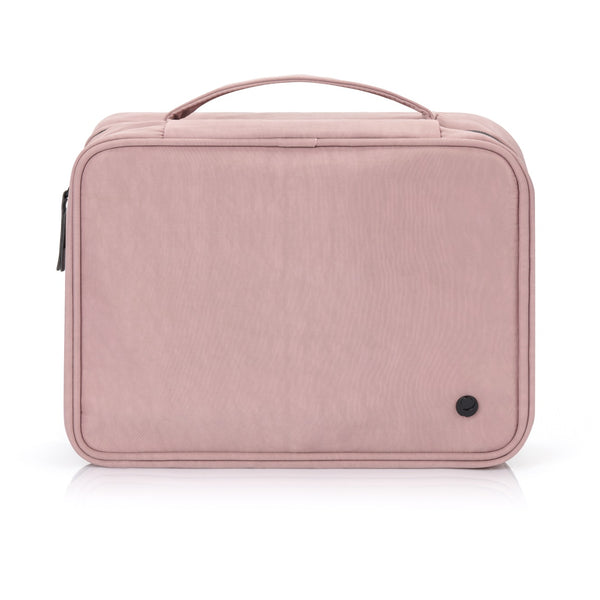
A structured toiletry case is a better choice if you carry several skincare bottles, makeup, glass containers, or brushes. Its shape helps protect products and keeps bottles from shifting during travel.
Look for adjustable dividers or roomy sections instead of many fixed, narrow pockets. Keep in mind that a structured case will take up more luggage space, so it is best for travelers who value protection over flexibility.
Avoid Common Buying Mistakes
Choosing Size by Trip Length Alone
Trip length matters, but it is not the only factor. Your product routine, container sizes, and whether you share the bag usually matter more.
A simple one-week trip may only need a small pouch. A two-night trip with several skincare products may need a medium organizer. Lay out your items first, then choose the smallest bag that fits them comfortably.
Assuming More Pockets Are Better
More pockets can sound useful, but poorly designed pockets waste space. Tiny sections may not fit your bottles, while deep sections may hide the items you need most.
Focus on pocket size and placement. A few visible, flexible sections are usually more useful than a complicated layout.
Confusing Water Resistance With Leakproofing
A water-resistant bag can handle splashes and light moisture. It does not always mean that liquids will stay contained if a bottle opens inside.
Use a lined compartment and secure containers, especially for shampoo, oils, and lotions. For extra protection, place liquid bottles in a separate resealable pouch.
Ignoring Empty Weight and Packed Shape
A heavy, rigid bag may look polished but can take up too much room in your luggage. This is especially important for backpack travel or flights with strict carry-on limits.
Choose a structured case only when you need extra protection. Otherwise, a lightweight, flexible bag is usually easier to pack.
Final Thoughts
The best toiletry bag matches your routine instead of forcing you to change it. For most travelers, a medium bag with a wide opening, useful compartments, easy-clean lining, and reliable zippers is the most practical option.
If you pack light, choose a compact toiletry bag. If bathroom space is limited, choose a hanging toiletry kit. If you travel with family or carry a detailed skincare routine, move up to a larger divided or structured case. Explore the Purevave toiletry bag collection to find an option that keeps your travel essentials organized and protected.
Frequently Asked Questions
What Is the Difference Between a Dopp Kit and a Toiletry Bag?
Dopp kits are a type of toiletry bag. The term traditionally refers to a simple, compact bag for grooming products, often with one main compartment.
Today, many people use “Dopp kit” and “toiletry bag” interchangeably. Toiletry bag is the broader term and can include pouches, hanging organizers, structured cases, and larger family bags.
Can I Put Toiletries in My Personal Item?
Yes. You can usually pack toiletries in a personal item such as a backpack, tote, or laptop bag. If you are flying with liquids, they still need to follow current TSA and airline rules.
Keep your liquid bag easy to reach in case you need to remove it during security screening. Check your airline’s personal-item size limits before traveling.
Should Toiletries Go in Carry-On or Checked Luggage?
Pack essential items in your carry-on or personal item, especially medication, contact lens supplies, and products you may need if checked luggage is delayed.
Full-size shampoo, sunscreen, lotion, and other larger liquids are usually easier to pack in checked luggage. Check current airline and TSA guidance before you fly.
Does a Toiletry Bag Have to Be Clear?
No. Your main toiletry bag does not have to be clear. However, carry-on liquids generally need to be placed in a separate clear, quart-size, zip-top bag for TSA screening.
A regular fabric bag can hold dry products and other travel items. Keeping liquids separate makes airport screening easier.
Can I Bring Two Toiletry Bags on a Plane?
Yes. You can bring more than one toiletry bag in your luggage. For example, you may carry one for dry toiletries and another for makeup or grooming tools.
The main limit applies to carry-on liquids: each passenger is generally limited to one quart-size bag of travel-size liquids, gels, aerosols, creams, and pastes.
More reading: