
Why Are Sling Bags So Popular? 7 Practical Reasons
Table of Contents
Sling bags are popular because they provide hands-free carrying, quick access to essentials, and more storage than pockets without the bulk of a full-size backpack.
Their popularity has grown as people look for lighter bags that suit commuting, travel, shopping, and other short daily activities. However, a common misconception is that sling bags are always more comfortable or secure than backpacks. Their compact size and single-strap design also make them less suitable for heavy loads.
This guide explains the main reasons sling bags are popular, when they work better than backpacks, their limitations, and how to choose one for everyday use.
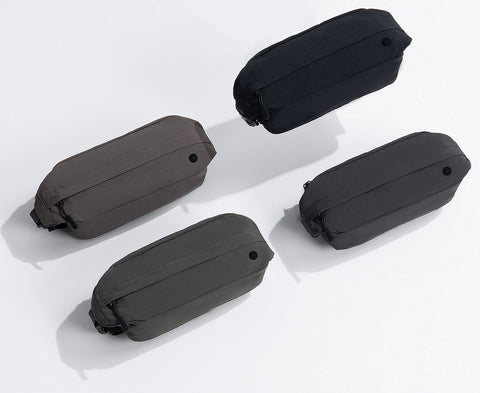
What Is a Sling Bag?
A sling bag is a compact bag with one strap designed to be worn across the body. Depending on its shape and strap design, it may sit across the back, on the chest, or near the hip.
Although sling bags are often described as crossbody bags, the terms are not exactly the same. “Crossbody bag” is a broad category that can include purses, messenger bags, and other bags worn diagonally across the body. A sling bag usually has a closer fit and a more casual or active design.
Why Are Sling Bags So Popular?
The popularity of sling bags comes from how easily they fit into everyday routines. They are smaller than most backpacks but more practical than carrying loose items in your hands or pockets.
1. They Keep Your Hands Free
A sling bag lets you carry your essentials without holding a bag in one hand or repeatedly adjusting a tote on your shoulder.
This is useful when you are carrying coffee, pulling a suitcase, shopping, walking a dog, taking public transportation, or using your phone for directions. At an airport, for example, you can keep your passport and boarding pass close while leaving both hands available for your luggage.
The hands-free design also makes sling bags convenient for sightseeing, outdoor events, and everyday errands.
2. Essentials Stay Within Easy Reach
One of the main benefits of a sling bag is quick access. You can usually move the bag from your back to your chest without taking it off.
Items such as your phone, wallet, keys, transit card, passport, sunglasses, hand sanitizer, and charging cable remain easy to reach. A well-organized sling bag may also provide separate pockets for frequently used items, preventing smaller belongings from getting lost at the bottom of one large compartment.
When choosing a bag, check whether the pocket layout matches what you actually carry. Too many small compartments can be just as inconvenient as having no organization at all.
3. They Are Smaller and Lighter Than Most Backpacks
For days when you do not need a laptop, textbooks, or a change of clothes, a full-size backpack may provide more space than necessary. Its extra capacity can also make it tempting to carry items you do not need.
A compact sling bag encourages lighter packing. It usually provides enough room for daily essentials while feeling less bulky on public transportation, in stores, or at crowded events.
However, not every sling bag is lighter than every backpack. The total weight still depends on the bag’s size, material, hardware, and contents.
4. They Stay Close to the Body
A crossbody sling bag generally fits closer to the body than a tote or loosely carried shoulder bag. In a busy train station, market, festival, or airport, you can move it to the front and keep the zipper openings within view.
This close fit can make personal items easier to watch, but a standard sling bag should not automatically be considered an anti-theft bag. Security features such as hidden pockets, locking hardware, cut-resistant materials, and reinforced zippers vary by product.
Regardless of the bag type, valuables should be kept in closed compartments, especially in crowded places.
5. They Work for Different Daily Activities
Sling bags are popular partly because they are not limited to one setting. A compact travel sling bag can work for daily errands, public transportation, city sightseeing, festivals, short walks, and airport travel.
The right design still depends on the activity. A small urban sling bag may be suitable for a phone and wallet but not for hiking equipment. Similarly, a lightweight everyday model may not provide the structure or weather protection needed for demanding outdoor use.
Consider what you plan to carry and how long you will wear the bag instead of choosing based on appearance alone.
6. They Can Be Worn in Different Positions
Depending on its strap and shape, a sling bag may be worn across the back, on the chest, over one shoulder, or near the waist.
Wearing it across the back keeps it out of the way while walking. Moving it to the chest provides faster access and makes the bag easier to watch in a crowd. Some people prefer to position it near the hip for a more traditional crossbody fit.
The best position depends on the activity, bag design, and personal comfort. The strap should hold the bag close without digging into the shoulder or restricting movement.
For more detailed guidance, see How to Wear a Sling Bag.
7. They Combine Casual Style With Practical Storage
Sling bags have a simple shape that works well with casual clothing, activewear, and travel outfits. Neutral colors are easy to use every day, while brighter colors can add variety without changing the bag’s function.
Their popularity is not based on style alone. The most useful designs combine a compact appearance with practical features such as zippered pockets, an adjustable strap, and enough room for small essentials.
A sling bag does not need excessive decoration or a large number of compartments to be functional. A clean design with a sensible pocket layout is often easier to use.
When Is a Sling Bag Better Than a Backpack?
A sling bag is usually a better choice when you are carrying a small number of items and want quick access. A backpack is more suitable when you need greater capacity or plan to carry heavier belongings.
|
Carrying Need |
Sling Bag |
Backpack |
|
Phone, wallet, keys, and small essentials |
Well suited |
May provide more space than needed |
|
Quick access without removing the bag |
Usually easier |
Often requires removing one shoulder strap |
|
Laptop, textbooks, or larger items |
Limited in most compact models |
Usually more suitable |
|
Crowded transportation or events |
Easy to move to the chest |
Can feel bulky in tight spaces |
|
Longer periods with a heavier load |
One-shoulder design may become uncomfortable |
Two straps usually distribute weight more evenly |
|
Short errands and light travel |
Convenient |
Useful when more capacity is needed |
Neither option is better in every situation. A sling bag works best for a light everyday load, while a backpack is the more practical choice for computers, books, clothing, and other larger or heavier items.
For a more detailed comparison, read Crossbody Sling Bag vs. Backpack.
Are There Any Drawbacks to Sling Bags?
Sling bags are convenient, but their compact size and one-strap design create several limitations.
The most important drawback is capacity. Many smaller sling bags cannot hold a laptop, large tablet, full-size water bottle, jacket, or several travel items at once. Some models may also have openings that make larger items difficult to pack or straps that only sit comfortably on one shoulder.
A sling bag places most of its weight on one shoulder, so it should not be treated as a replacement for a backpack when carrying heavy items for a long time. Even a well-designed strap may become uncomfortable if the bag is overfilled. Excess weight can also cause the bag to shift or bounce while walking.
Compact sling bags may not include padded compartments for electronic devices, and some straps may not provide enough adjustment for every body type or thick winter clothing. Check the bag’s dimensions, strap range, pocket layout, and carrying direction before purchasing.
How to Choose a Sling Bag for Everyday Use
Start by listing what you carry on a normal day. A phone, wallet, keys, sunglasses, and charging cable require far less space than a tablet, water bottle, umbrella, or camera. Compare the bag’s dimensions with the largest item you plan to carry rather than judging its capacity from product photos alone.
The strap should provide enough adjustment for your preferred carrying position and hold the bag securely without feeling restrictive. If you want to switch shoulders, confirm that the strap direction can be changed.
Pocket layout is also important. Frequently used items should be easy to reach, while money, identification, and other valuables should have a more secure location. Avoid choosing a design with more compartments than you are likely to use.
Consider the material’s weight, durability, cleaning requirements, and level of water resistance. Water-resistant material can help protect the contents from light moisture, but it does not mean that every seam and zipper is waterproof.
Finally, check the opening design. The main compartment should open far enough for you to reach your belongings without allowing them to spill out easily.
For additional selection advice, see Choosing the Right Sling Bag.
Why Choose a Purevave Sling Bag?
Purevave sling bags are designed for compact everyday storage. Current models use washed nylon with a water-resistant finish and provide separate pockets for organizing a phone, wallet, keys, cables, sunglasses, and other small essentials.
Their compact crossbody design and adjustable strap make them suitable for commuting, errands, casual outings, and light travel. For travelers who prefer to carry only a few essentials, they can also serve as lightweight crossbody bags for travel.
Because these are compact bags, check the listed dimensions before purchasing if you need to carry a tablet, bottle, umbrella, or another larger item.
Explore the available Purevave Sling Bags to compare colors, sizes, and pocket layouts.
Final Thoughts
Sling bags have become popular because they offer a practical balance of compact size, quick access, and hands-free carrying. They are particularly useful for short trips and everyday activities when a full-size backpack would be unnecessarily large.
Their compact size is also their main limitation. A sling bag is best for light essentials, not heavy loads or bulky equipment. Choosing the right model means checking its dimensions, strap, compartments, and material against what you actually plan to carry.
Frequently Asked Questions
What Is the Difference Between a Sling Bag and a Fanny Pack?
A fanny pack is primarily designed to sit around the waist, while a sling bag is designed to cross the chest or back. Some convertible bags can be worn both ways.
How Do You Keep a Sling Bag From Sliding Around?
Shorten the strap so the bag sits close to your body rather than hanging loosely. Keeping heavier items near the body can also reduce shifting while you walk.
Can You Wash a Sling Bag?
It depends on the material and care instructions. Spot cleaning with mild soap is usually safer than machine washing, especially when the bag has coated fabric, padding, or metal hardware.
Are Sling Bags Allowed in Stadiums and Concert Venues?
Some venues allow small sling bags, while others require clear bags or prohibit bags above specific dimensions. Check the venue’s current bag policy before attending.
Does a Sling Bag Count as a Personal Item on a Plane?
A sling bag normally counts toward an airline’s baggage allowance rather than as a free additional bag. It may qualify as your personal item if it fits the airline’s size limit and can be stored under the seat.
1 comment
-
Posted on by BagleleIs Purevave sling bag waterproof?