
What Is a Crossbody Bag? Types, Features, and Best Uses
Table of Contents
A crossbody bag is a bag worn with a long strap that crosses the torso from one shoulder to the opposite side of the body. The bag usually rests near the hip, waist, chest, or lower back. This design keeps the hands free and helps distribute the bag's weight more securely than a short shoulder strap.
The exact crossbody meaning can vary because the term describes how a bag is worn, not one fixed shape. A compact phone pouch, crescent sling, structured purse, camera bag, and small messenger bag can all be crossbody bags if their straps support diagonal wear.
One common misconception is that every crossbody bag is a sling bag. The categories overlap, but they are not identical. Many sling bags are worn across the body, while traditional crossbody bags are available in a much wider range of shapes and styles.
This guide defines the term, compares the main types, explains useful features, and shows when a crossbody bag is a better choice than a shoulder bag, tote, or backpack.
What Does Crossbody Mean?
In bag design, crossbody means that a strap travels diagonally across the upper body. It begins on one side of the bag, passes over one shoulder, and places the bag on the opposite side. This creates three points of contact: the shoulder, the strap across the torso, and the bag against the body.
That diagonal position is the main part of the crossbody definition. The bag does not need a particular material, closure, or size, but its strap must support comfortable diagonal wear.
Crossbody wear differs from carrying a short strap on one shoulder. A shoulder bag hangs on the supporting side and may slide as the wearer moves. A diagonal strap is less likely to slip, and the bag can move from the hip to the front for access or control.
The term is sometimes written as cross body or cross-body, but crossbody is the most common form in US product names. Shoppers may also see related terms such as sling bag, chest bag, camera bag, belt bag, or messenger bag. Purevave's collection of lightweight crossbody sling bags shows how one carrying method can appear in several sizes and layouts.
Common Types of Crossbody Bags
The type changes how much the bag holds, where it rests, and how formal or active it feels. Several designs may work for the same situation, so choose by what you carry rather than by the label alone.
|
Type |
Typical shape |
Common contents |
Best use |
|---|---|---|---|
|
Traditional crossbody purse |
Small or medium rectangular body |
Phone, wallet, keys, and personal items |
Daily errands, dining, and casual outings |
|
Sling or chest bag |
Curved, teardrop, or compact athletic shape |
Phone, charger, sunglasses, and small essentials |
Walking, sightseeing, festivals, and active days |
|
Phone crossbody |
Very slim vertical pouch |
Phone, cards, and keys |
Short trips and minimal carry |
|
Camera crossbody |
Boxy, padded body with dividers |
Camera, lens, battery, and memory cards |
Photography and protected equipment carry |
|
Messenger bag |
Wider horizontal body with a flap or zipper |
Tablet, documents, notebook, and work items |
Commuting, classes, and light professional use |
A traditional crossbody purse usually hangs at the hip and focuses on everyday access. It may be soft and casual or structured enough for work and social settings. A phone crossbody offers the lightest version of the same idea but has little room beyond the basics.
A sling bag often sits higher on the torso and uses a shape designed to follow the body. It can be moved from the back to the chest without taking it off. Some belt bags also become crossbody bags when their straps extend far enough, although the fit may be tighter and the storage remains compact.
Camera bags and messenger bags carry heavier or wider items. Their straps may include a pad, and the body often has more structure. They still count as crossbody bags when worn diagonally, but they can feel less stable if overfilled. For a closer comparison of overlapping labels, see the guide to shoulder bags and sling bags.
Features That Make a Crossbody Bag Work Well
A useful crossbody bag should stay in place, provide easy access, and hold the intended items without pulling uncomfortably on one shoulder. The best features depend on both the load and the wearing position.
Adjustable Strap and Secure Attachments
The strap should place the bag where you want it. A high chest position can feel stable for walking, while a hip position looks more traditional. Longer torsos, broad shoulders, and layered clothing may require extra length.
Check where the strap connects to the bag. Reinforced attachment points matter because they carry the full load. Swiveling clips can reduce twisting, while a reversible attachment can help a sling bag sit correctly on either shoulder. A wide strap spreads pressure better than a narrow cord when the bag is moderately heavy.
Size, Shape, and Opening
A small bag reduces bulk but can become frustrating if every item must be stacked. Compare the interior dimensions with your largest essential, such as a phone, tablet, small water bottle, or camera. External dimensions do not always show how much usable room remains after padding and curved seams.
The opening should match how you reach the bag. A top zipper works at the hip, while a curved front zipper can suit a chest sling. The opening should not face downward when the bag moves between front and back.
Pockets and Closures
One main compartment may be enough for a minimal kit. Separate pockets become more useful when keys, cards, earbuds, and charging cables need fixed places. A rear pocket against the body can keep a passport or wallet less exposed, but it should still be comfortable when filled.
Zippers provide more security than an open top or a simple magnetic closure. Flaps add coverage but may slow access. For crowded areas, choose a closure that can be operated deliberately and keep important items in a compartment closest to the body.
Material and Comfort
Nylon and polyester can keep a crossbody bag lightweight. Leather and structured synthetic materials create a more polished shape but may add weight. Padding is useful for a camera or small device, although too much structure can make a compact bag feel bulky.
Water-resistant or water-repellent fabric may protect against a brief drizzle or small splash. It does not make the entire bag waterproof, since water may still enter through zippers and seams. Comfort also depends on packing. A soft bag with an excellent strap can still press awkwardly if a hard object sits against the body.
Best Uses for a Crossbody Bag
Crossbody bags work best when you want quick access to a small or moderate load while keeping both hands available. They are less suitable for heavy books, a large laptop, or equipment that needs support from two shoulder straps.
Everyday Errands and Social Plans
For grocery runs, coffee stops, dining, or a walk, a crossbody bag can hold a phone, wallet, keys, sunglasses, and a few personal items without the bulk of a tote. The bag stays attached to the body when you reach for a door, carry a shopping basket, or check your phone.
A traditional purse suits a polished look, while a compact sling may feel better for an active day. Leave some open space so items remain easy to find.
Travel and Sightseeing
A crossbody bag can keep a passport, wallet, phone, tickets, and earbuds accessible in an airport or city. Moving it to the front gives you better awareness of the opening in crowded transportation or attractions. It also keeps your hands free for luggage or a camera.
Do not treat the wearing style as complete theft protection. Close every zipper, avoid displaying cash, and keep irreplaceable items in the pocket closest to your body. On flights, confirm whether the carrier counts the bag as a personal item or requires it to fit inside another carry-on.
Commuting, Events, and Active Days
A messenger-style crossbody can handle documents, a small tablet, or a light work kit. For heavier commuting loads, a backpack usually distributes weight more evenly. This comparison of a crossbody sling bag and backpack can help when both formats seem practical.
Compact sling bags are also useful at festivals, museums, theme parks, and walks where a full backpack feels excessive. Check each venue's current bag policy because permitted sizes and closures can vary.
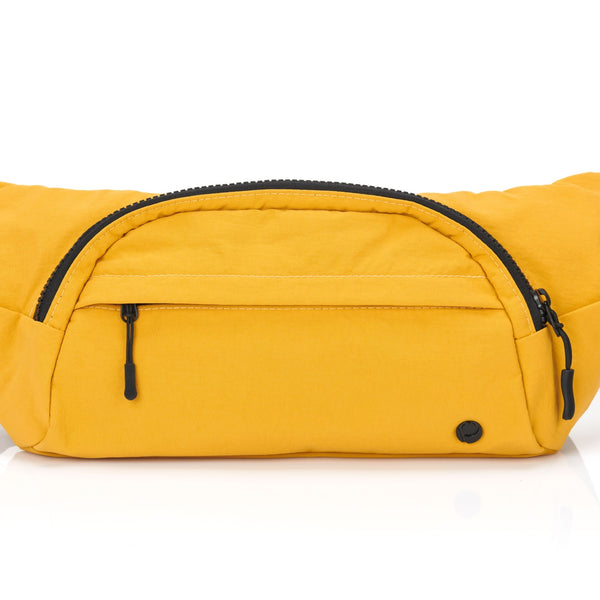
The Purevave Fashion Female Sling Bag is a practical example of a design that crosses categories. Its adjustable strap allows crossbody, shoulder, sling, or waist wear. The washed nylon bag measures 9.1 by 3.5 by 4.9 inches and includes front, back, and main storage areas. It suits someone who wants more room than a phone pouch without moving up to a backpack. Although the product name uses a gender label, its function should be judged by fit, storage, and personal style.
Final Thoughts
What is crossbody in simple terms? It is a way of carrying a bag with the strap running diagonally across the torso. The term covers many designs, from slim phone pouches to sling bags, purses, camera bags, and messengers.
Choose the type by your load and activity. Look for enough strap adjustment, reinforced connections, secure closures, and a size that holds your essentials without encouraging overpacking. Crossbody bags work best for light to moderate loads kept close and within easy reach.
Frequently Asked Questions
Can Men Wear Crossbody Bags?
Yes. Crossbody describes the strap position, not the wearer's gender. Anyone can choose a shape, color, and capacity that fits their routine.
Can a Crossbody Bag Cause Shoulder Pain?
It can if the bag is heavy, the strap is narrow, or one shoulder carries the load too long. Lighten the contents, adjust the bag closer, and switch shoulders when possible. Use a backpack for heavier loads.
Can You Wear a Crossbody Bag Under a Coat?
A slim bag can sit under an open coat if it does not restrict movement or press hard items into the body. A bulky bag usually works better over the coat.
Is a Crossbody Bag Considered a Purse?
Some are, but not all. A fashion crossbody with purse-style storage is commonly called a purse. Camera bags, phone pouches, messenger bags, and sport slings may use the same diagonal strap position without being described as purses.