
How Much Does a Backpack Cost? A Guide to Price Ranges and Value
Table of Contents
Most backpacks cost between $25 and $150. A basic school or casual daypack may cost less than $30, while a well-equipped work, travel, or hiking backpack often falls between $75 and $200. Technical outdoor packs and premium designs can cost $300 or more.
The right budget depends on what you carry, how often you use the bag, and how much comfort or protection you need. Size, materials, hardware, padding, load support, and warranty coverage can all affect the price.
A higher price does not automatically mean better value. A $200 technical pack may be a poor choice for light errands, while a carefully selected $60 backpack may handle a daily commute for years. The goal is to pay for features you will use and construction that can handle your normal load.
This guide explains common backpack price ranges, what causes the differences, how much to spend for specific activities, and how to judge long-term value before you buy.
Backpack Price Ranges at a Glance
Backpack prices vary widely because the category includes everything from simple drawstring bags to framed packs made for carrying camping gear. These ranges are practical shopping estimates, not fixed rules. Sales, materials, brand positioning, and seasonal demand can move a particular model into a different bracket.
|
Price range |
What you usually get |
Best for |
Main tradeoff |
|---|---|---|---|
|
Under $30 |
Simple construction, light fabric, and limited padding |
Occasional use, light errands, and backup bags |
Hardware and seams may wear sooner under heavy use |
|
$30 to $75 |
Better everyday fabric, basic organization, and some laptop padding |
School, commuting, gym visits, and day trips |
Comfort and weather protection vary considerably |
|
$75 to $150 |
Stronger materials, more useful compartments, improved straps, and travel features |
Frequent work, daily carry, and short trips |
Extra features may add weight or go unused |
|
$150 to $300 |
More refined harnesses, technical fabrics, detailed construction, or specialty layouts |
Regular hiking, demanding travel, photography, and heavy loads |
Performance gains may be unnecessary for casual use |
|
Over $300 |
Specialized technical systems, luxury materials, or niche professional features |
Expeditions, specialist equipment, or design-led purchases |
High cost does not guarantee a better fit for ordinary needs |
For many shoppers, the $50 to $150 range provides a strong balance of durability, comfort, and organization. Light loads may need less, while long walks with a laptop or outdoor gear can justify more.
Early in your search, compare the capacity and features of different laptop backpacks instead of judging price from appearance alone. Two bags with similar dimensions can offer very different usable space, padding, and pocket layouts.
What Determines the Price of a Backpack
The retail price reflects more than the amount of fabric used. Construction time, component quality, comfort systems, and product development can matter as much as size.
Materials and Construction
Basic backpacks often use lightweight fabric, simple lining, and standard zippers. More expensive bags may add reinforced stress points, coated fabric, stronger buckles, and more complex seams. Material names alone do not prove quality.
Look closely at the areas that receive the most strain. Shoulder strap attachment points, grab handles, zipper ends, and the bottom panel should feel secure. Neat stitching and reinforcement in these places may provide more value than decorative trim.
Weather protection can also raise the price. Water-resistant fabric may handle brief light rain, but it is not fully waterproof. Sealed seams and protected zippers cost more and are most useful when exposure is likely.
Comfort and Load Support
A lightly loaded backpack needs less structure than one carrying books, a laptop, or hiking gear. Padded straps, a shaped back panel, a chest strap, and a supportive hip belt add materials and design work.
Paying more for support makes sense when the load is heavy or carried for long periods. It matters less when the bag travels mostly from a car to a desk. Even an advanced harness has little value if it does not fit your torso or sits awkwardly on your shoulders.
Organization and Device Protection
Laptop sleeves, hidden pockets, bottle holders, and wide openings can make a backpack easier to use. They also require extra fabric, foam, zippers, and assembly.
The useful number of compartments depends on your routine. A padded laptop section may justify a higher price for a commuter, while a hiker may care more about easy water access and load control. Too many narrow pockets can reduce flexible packing space. The guide to features that matter in a quality laptop backpack can help you separate practical protection from features that only sound impressive.
Brand, Warranty, and Product Development
Established brands may charge more for product testing, customer support, repair programs, or longer warranties. Those services can add value if the terms are clear and the company stands behind them. A recognizable logo by itself does not improve performance.
Read the warranty before paying more for it. Check what is covered, whether normal wear is excluded, and who pays shipping. Also review the return period when buying online.
How Much Should You Spend for Your Use
Start with the activity that places the greatest demand on the bag. Then set a budget that covers the necessary comfort, protection, and capacity without paying for equipment you will rarely use.
School and Everyday Carry: $30 to $120
About $30 to $80 is reasonable for light school use, errands, gym trips, and everyday carry. Look for secure straps, smooth zippers, a reinforced bottom, and enough space. Several textbooks may require better padding and stronger strap attachments, moving the useful range closer to $60 to $120.
A lower-priced backpack can work well for occasional use. Inspect it more carefully if it will carry dense books every day. Replacing a weak $25 bag twice costs more than one durable $60 bag over the same period.
Work and Laptop Carry: $60 to $150
Most people can find a practical work backpack between $60 and $150. Prioritize a correctly sized padded sleeve, comfortable straps, a stable base, and organization for chargers. Appearance may matter at work, but not at the expense of protection.
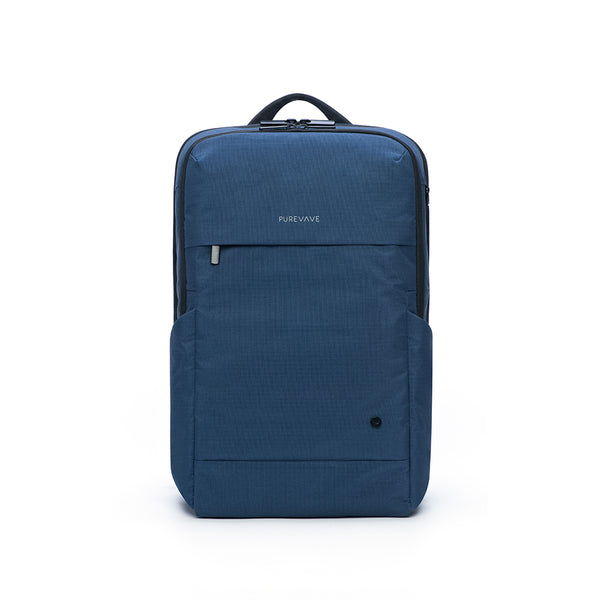
The Purevave ExpandPro Expandable Travel Laptop Backpack is one example in the middle of this range. At the time of writing, it is listed at $79.99. It expands from 27 to 35 liters, holds a laptop up to 15.6 inches, and includes a luggage strap, hidden pocket, water bottle pocket, ergonomic straps, and a ventilated back panel. It is a sensible option when one bag needs to cover both commuting and short trips. Check the product page for the current price and availability.
Travel and Carry-On Use: $75 to $200
A dependable travel backpack commonly costs $75 to $200. A wide opening, stronger handles, compression, and a luggage pass-through can make travel easier, but they are worth paying for only when they match your routine.
Capacity and external measurements deserve equal attention. A high price does not mean a backpack meets every airline limit. Confirm the current rules for your carrier and ticket before purchasing. If you are still comparing formats, this guide on how to choose a backpack for travel and daily use covers size, fit, openings, and organization in more detail.
Hiking and Technical Activities: $50 to $400 or More
Day hiking packs often cost $50 to $200. Multiday packs commonly start around $150 and can exceed $400. The extra cost may cover a fitted suspension, structured frame, load control, technical materials, or rain protection.
Fit matters more here than for a light casual bag. Try a technical pack with realistic weight when possible. Pay for a well-fitting carry system before ultralight fabric, extra pockets, or a premium color.
How to Judge Value Before You Buy
Good value means the backpack performs its job at a reasonable total cost. It does not mean choosing the lowest price or collecting the longest feature list.
Estimate Cost per Year of Use
Divide the price by the years you reasonably expect to use the bag. A $120 backpack lasting four years costs about $30 per year. A $40 backpack replaced annually costs more over the same period.
If you change styles every season, a long theoretical lifespan may not help. If you use one backpack every weekday, durable fabric, repairable hardware, and reinforced seams can lower long-term cost.
Pay for Features You Will Actually Use
List what you carry before comparing products. Prioritize features that solve a repeated problem, such as a correctly sized laptop sleeve, comfortable straps, or a wide travel opening.
Skip additions that do not suit your routine. Heavy suspension is unnecessary for a light office load, while one open compartment may frustrate someone carrying cables and small tools. A low price is not a bargain if you must buy extra organizers.
Check Fit, Returns, and Repair Options
Whenever possible, load the backpack and wear it for several minutes. Check the strap range, back panel, balance, zippers, and access to frequently used items.
For online purchases, confirm the return window and any shipping fee. Look for replaceable buckles and repairable construction. Before replacing an older bag for appearance alone, compare it with these signs that a backpack needs replacement. Cleaning or a simple repair may extend its life.
Final Thoughts
Most buyers do not need the cheapest backpack or the most expensive one. They need a bag that fits their body, holds their regular load, and survives the way they actually use it. For everyday, school, and work needs, $50 to $150 is often a practical starting range. Technical activities, heavier loads, and specialized equipment may justify a larger budget.
Compare construction, comfort, protection, and warranty terms before focusing on the logo. Then consider cost per year rather than purchase price alone. A backpack offers real value when its useful features are used often and its durability reduces the need for early replacement.
Frequently Asked Questions
When Is the Best Time to Buy a Backpack on Sale?
Back-to-school promotions often appear in late summer. Outdoor and travel retailers may discount older colors around holidays or season changes. A sale helps only when the size and features already match your needs.
Is a Used Backpack Worth Buying?
A used backpack can offer good value when its structure is sound. Inspect strap attachments, the bottom, lining, zippers, coatings, and any frame. Persistent odor, peeling coatings, damaged foam, or distorted support parts may be difficult to fix.
Is a Lifetime Warranty Worth Paying More For?
It can be for a bag you expect to use heavily for years. The wording matters more than the label. Check exclusions for normal wear, misuse, or travel damage, and compare the likely repair benefit with the price difference.
Does a Higher Fabric Denier Mean a Better Backpack?
Not always. Denier describes yarn thickness, not the complete quality of the fabric or bag. Weave, fiber type, coating, seam construction, and placement all matter. A thoughtful design may use tougher fabric on the bottom and lighter fabric elsewhere to balance durability and weight.