
Best Time to Travel to Japan: Weather, Seasons, and What to Pack
Table of Contents
For most travelers, the best time to visit Japan is April or November. The weather is usually mild, humidity is lower, and the country looks its best, with cherry blossoms in spring and colorful autumn leaves in fall.
The best month depends on what you want from your trip, though. If you want to see sakura, late March to early April is usually the ideal window. If autumn colors are your priority, mid to late November is a better choice. Travelers looking for fewer crowds and lower hotel prices may prefer the quieter weeks of January and February.
There is no single perfect time to visit Japan. The best season depends on your travel goals, the regions you plan to visit, and what kind of experience you want.
Japan is also a country where timing affects packing more than many travelers expect. The weather can change significantly between Tokyo, Kyoto, Osaka, and Hokkaido, so choosing the right season is only part of the planning process. This guide covers Japan’s weather throughout the year, the best travel periods for different goals, and what to pack for each season so you can plan a more comfortable trip.
Japan Weather Overview: What to Expect Throughout the Year
Japan stretches more than 1,000 miles from north to south, so the climate changes dramatically between regions. Tokyo, Kyoto, Osaka, and Hokkaido can have completely different weather during the same month.
Still, Japan’s four seasons follow a general pattern:
Spring, from March to May, starts cool and gradually becomes warmer, with comfortable temperatures and cherry blossom season. Rain increases around June as the rainy season begins.
Summer, from June to August, is hot and humid in most cities. July and August can feel especially intense in places like Tokyo, Kyoto, and Osaka, although northern areas and mountain regions are cooler.
Fall, from September to November, brings cooler temperatures and some of Japan’s best travel conditions. Autumn leaves usually arrive first in northern areas before moving south.
Winter, from December to February, is cold and dry in many regions. Northern Japan receives heavy snow, while cities like Tokyo and Kyoto usually experience colder but milder winters.
Another factor to consider is the rainy season. In much of central Japan, tsuyu usually occurs from June into early July. It does not always mean constant rain, but humidity rises and outdoor activities can feel less comfortable.
Best Time to Visit Japan Based on Your Travel Goals
There is no single best month for everyone. The right time depends on what you want to experience during your trip.
Best Time for Cherry Blossoms
The cherry blossoms, or sakura, are one of Japan’s most famous seasonal attractions.
They usually begin blooming in southern Japan in late March and reach peak season in Tokyo and Kyoto around late March to early April. The blossoms then gradually move north into May.
The timing can change each year depending on weather conditions, and the viewing period is short. Flowers may only remain at their best for about one to two weeks.
If cherry blossoms are your main reason for visiting Japan, plan your dates carefully and book accommodations early. Popular locations can become extremely crowded during peak bloom.
Best Time for Autumn Leaves
Many travelers consider autumn one of the best times to visit Japan.
The autumn colors usually begin in Hokkaido in September and move south toward Kyoto and Tokyo in November. During this season, temples, parks, and mountain areas are filled with red maple leaves and golden foliage.
Mid to late November is often the best period for central Japan. The weather is comfortable, the scenery is beautiful, and the crowds are often more manageable compared with cherry blossom season.

Best Time for Fewer Crowds and Lower Prices
Travelers who prefer quieter streets and better prices should consider Japan’s shoulder seasons.
Late January through February, outside the New Year holiday period, is usually less crowded. Mid-May after Golden Week is another quieter period before the summer travel season begins.
These months may not offer the perfect weather of spring or fall, but they can provide:
-
Lower accommodation prices
-
Shorter lines at attractions
-
More relaxed sightseeing
You may need warmer clothing in winter or a light jacket in spring, but the overall travel experience can feel much easier.
Best Time for Comfortable Weather
For many travelers, April and autumn months such as October and November offer the best balance.
Temperatures are generally mild, humidity is lower, and the weather is comfortable for walking, sightseeing, and outdoor activities.
These months are also among the busiest travel periods, so booking accommodations early is recommended.
For travelers who want comfortable weather with slightly fewer crowds, late May and early June can also be good options.
What to Pack for Japan in Each Season
Packing for Japan is mostly about matching your gear to the season, the region, and how you plan to travel. Since most visitors spend a lot of time walking, taking trains, and moving between neighborhoods, the goal is not just to bring enough items, but to bring the right ones.
A lighter setup is usually easier to manage in Japan, especially when navigating busy stations, stairs, and smaller hotel rooms.
Spring Packing Tips for Japan
Spring is one of the most popular times to visit Japan, but temperatures can change throughout the day. March can still feel chilly, while April and May are usually much milder.
Pack lightweight layers that you can adjust throughout the day. A light jacket, sweater, or cardigan works well for cooler mornings and evenings. Comfortable walking shoes are essential for sightseeing, while a compact umbrella can be useful during occasional spring showers. A lightweight scarf or extra layer can also help on cooler days.
If you are visiting during cherry blossom season, keep in mind that popular areas can become crowded. A smaller and lighter bag makes moving through busy streets, stations, and attractions much easier.
Summer Packing Tips for Japan
Summer in Japan is hot, humid, and often more intense than many first-time visitors expect. Cities such as Tokyo, Kyoto, and Osaka can feel especially warm because of the combination of heat, humidity, and crowded streets.
Choose lightweight and breathable clothing that dries quickly. Heavy fabrics can become uncomfortable after hours of walking, especially during sightseeing days.
Breathable shirts, lightweight pants, comfortable walking shoes, sunscreen, sunglasses, and a compact umbrella are useful additions for summer travel. A reusable water bottle is also helpful when exploring cities during hot weather.
A lightweight bag is especially useful in summer because carrying a heavy backpack can quickly become uncomfortable.
Fall Packing Tips for Japan
Fall is one of the easiest seasons to pack for because the weather is generally comfortable and flexible.
September can still feel warm, while November brings cooler mornings and evenings. Layering is the best approach because you can adjust your clothing as temperatures change throughout the day.
Long-sleeve shirts, a lightweight sweater or jacket, comfortable walking shoes, and a thin rain jacket are usually enough for most fall trips.
For travelers visiting Kyoto, Tokyo, or other autumn foliage destinations, expect to spend many hours outdoors. Comfortable clothing and easy-to-carry luggage can make sightseeing much more enjoyable.
Winter Packing Tips for Japan
Winter conditions vary greatly depending on where you go.
Tokyo and Kyoto usually have cold but manageable winters, while Hokkaido and northern regions experience heavy snow and freezing temperatures.
For city trips, focus on warm layers that can adapt to different environments. A warm insulated jacket, thermal layers, gloves, scarf, hat, warm socks, and water-resistant shoes are useful for colder destinations.
If you are visiting snowy regions for skiing or winter activities, you will need heavier cold-weather gear.
Layering is still important because indoor spaces, restaurants, and trains are often much warmer than outside.
How to Pack Light for a Japan Trip
Japan travel often involves more movement than many visitors expect. Between train transfers, long station walks, sightseeing routes, and changing accommodations, carrying less can make your trip much easier.
Instead of bringing more items, focus on choosing versatile clothing, packing only what you will actually use, and keeping your daily essentials easy to access.
For a complete guide on general packing strategies, see our guide on How to Pack for a Trip.
When preparing for Japan specifically, pay attention to three things: your travel season, how much walking you will do, and the type of bag that fits your itinerary.
Pack for Japan’s Weather and Activities
Japan’s weather changes significantly by season and region. Choose clothing that can adapt to temperature changes, especially during spring and fall when mornings and evenings may feel much cooler.
Your itinerary also matters. City trips with lots of walking require different packing choices than winter trips to snowy areas or outdoor adventures.
Choose a Bag That Works for Japan Travel
Japan is a destination where travelers often rely on trains, walk through busy neighborhoods, and move between hotels. A bag that is lightweight, easy to carry, and simple to access can make these daily transitions much easier.
For most city-based Japan trips, a combination of a compact day bag and a lightweight backpack works well. A smaller bag keeps your everyday essentials within reach while exploring, while a backpack provides enough space for travel days, electronics, and personal items.
For travelers who prefer a lighter setup, the Purevave Fashion Crossbody Sling Bag is a practical choice for daily sightseeing. Its compact design makes it suitable for carrying essentials such as your phone, wallet, passport, and portable charger while exploring cities like Tokyo and Kyoto. It works especially well for travelers who want a lightweight bag for museums, shopping areas, and neighborhood walks.
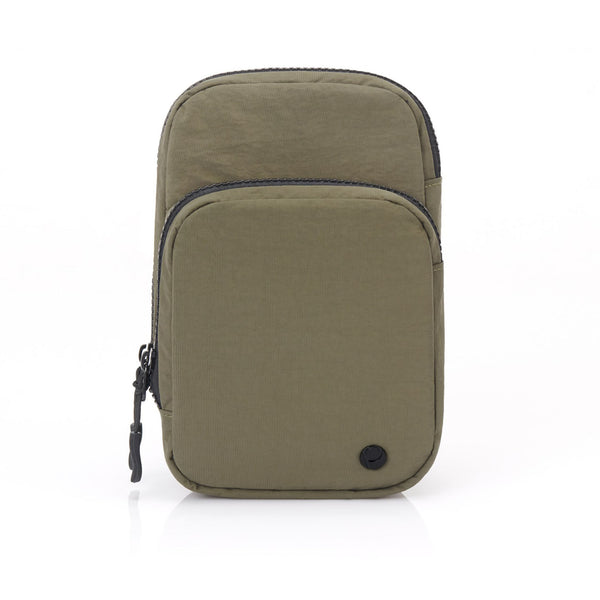
For longer days or travelers who need more storage, the Purevave Black Travel Backpack offers more space while keeping a compact profile. It is a good fit for carrying travel essentials, electronics, and personal items during train rides, airport transfers, and full-day city exploration.
Choosing the right bag is less about bringing the biggest option and more about finding a setup that matches how you travel. In Japan, where walking and public transportation are part of the experience, lightweight and organized bags can make every day easier.
Final Thoughts
There is no single best time to travel to Japan. The right season depends on what you want to experience.
Choose spring for cherry blossoms, fall for colorful landscapes, winter for snow experiences and quieter streets, or warmer months for festivals and longer days.
Once you choose your travel dates, your packing decisions become much easier. Match your clothing to the season, consider the regions you will visit, and choose a bag setup that fits the way you plan to travel.
For Japan, where walking, trains, and city exploration are part of the experience, traveling with lighter and better-organized gear can help you spend less time managing your belongings and more time enjoying the trip.
FAQs
What month has the best weather in Japan?
April and November are often considered the best months for comfortable weather in Japan. Both seasons usually offer mild temperatures, lower humidity, and good conditions for walking and sightseeing.
However, the best month depends on your travel goals. March and early April are better for cherry blossoms, while November is ideal for autumn colors.
How many days do you need for a Japan trip?
A first trip to Japan usually works best with around 10 to 14 days, especially if you want to visit major cities like Tokyo, Kyoto, and Osaka.
A 7-day trip is still possible, but it is better to focus on one region instead of trying to cover the entire country. Longer trips allow for a more relaxed pace and fewer rushed transfers.
Can you travel Japan with only a carry-on bag?
Yes, many travelers visit Japan with only a carry-on, especially for city-based trips.
A carry-on setup works well because Japan involves frequent walking, train transfers, and moving between accommodations. Packing fewer but more versatile items and using laundry during the trip can make a smaller bag practical.
More reading:
The best size for travel Sling bag & backpack
Traveling with Kids: How the Right Tech Organizer Can Be a Game-Changer